Joy for your Body: Speak with Kindness (2 Corinthians 4:7-8)

“But we have this treasure in jars of clay, to show that the surpassing power belongs to God and not to us.  We are afflicted in every way, but not crushed; perplexed, but not driven to despair . . .” 2 Corinthians 4:7-8
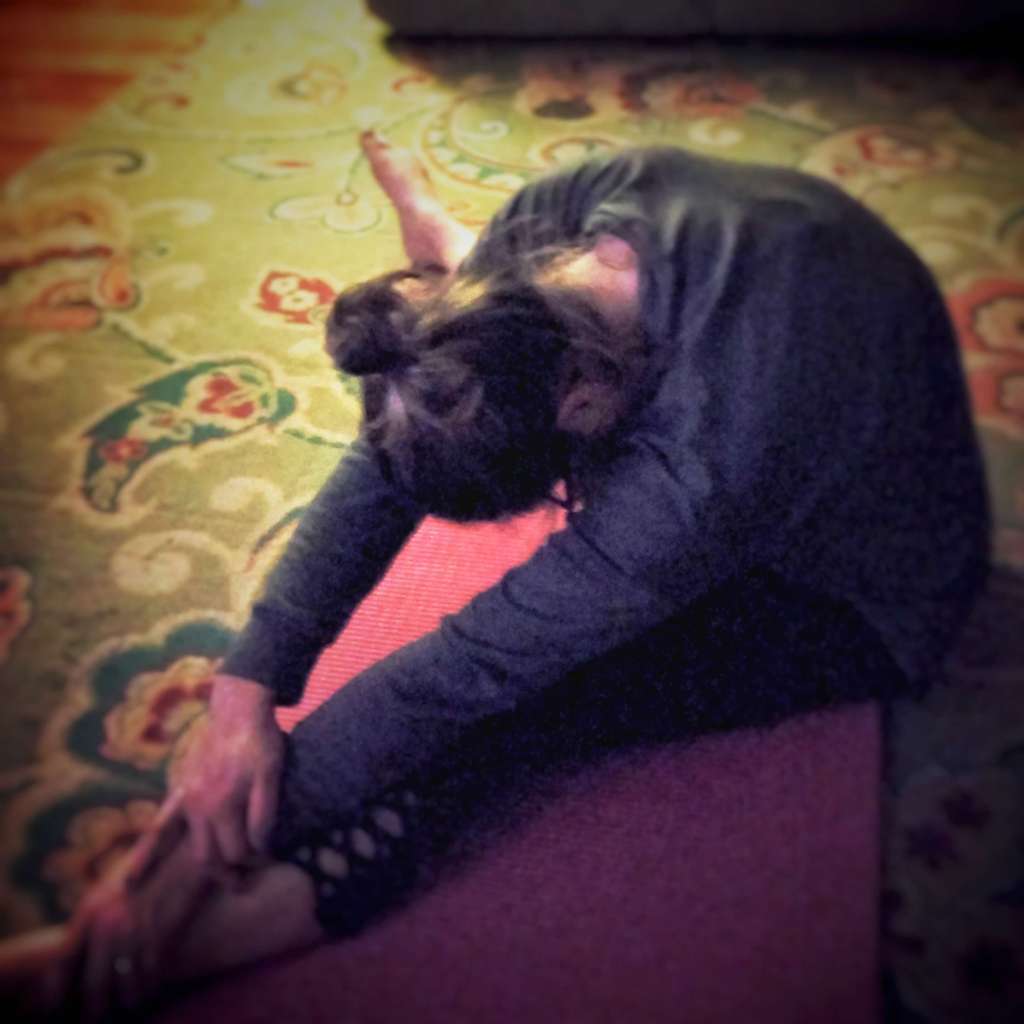
It is easy to focus on the flaws and deficiencies we observe. Our attention is easily drawn to the things we wish were different (and that’s often not limited to our feelings about our physical bodies!)

Honor your body today. Speak kindly to her, appreciating the work that she has done. 

Spend some time doing gentle stretching, giving thanks to God for each section and limb of your body as you move from head to toes.

 If you encounter places of physical pain, pause to honor what this signals. If you encounter parts of your figure that you wish appeared differently, pause and reframe, offering a word of appreciation about the form or function of this part of you.


We hope this brings you some comfort and joy! Do you know someone who would be inspired by today’s post?  Please share Some Comfort and Joy with them!  Be sure to subscribe and never miss a post.

Some Comfort and Joy was developed as a devotional resource that follows the rhythms and seasons of the liturgical year from an Anabaptist-Mennonite perspective.

Comfort for your Body: If/Then (2 Corinthians 4:7-8)

“But we have this treasure in jars of clay, to show that the surpassing power belongs to God and not to us. We are afflicted in every way, but not crushed; perplexed, but not driven to despair . . .”  2 Corinthians 4:7-8

Recently on my son’s 18th birthday I unconsciously backed out of a birthday photo my husband was taking.  “Where are you going?” he asked.  Only later was I able to examine my reaction.  I was backing out of the photo because I was self-conscious about how my body would look in the picture.

How many times have you heard someone say, “Well, I need to lose a few pounds.”  Or “I don’t like the way I look in this outfit.” in response to a compliment.  Have you ever thought, “If my _______ were _________ then I would be beautiful.”?

I am certain this is not how God sees each of us.  God knows about my sweet tooth.  God understands how midlife weight tends to move to the middle.  God loves my friend’s nose, the church elder’s wrinkles, and whatever body part you are sure is all wrong.  God delights in the diversity of our bodies.  I believe that God sees our uniqueness and rejoices in it.  We were not created to last forever, nor to be perfect, or the same as anyone else.  God clearly and happily created us as individuals in all our humanness.

God, Please renew my eyesight, that I may see the joy you have in Your creation.  All of it, even me, including my body!  AMEN


Some Comfort and Joy was developed as a devotional resource that follows the rhythms and seasons of the liturgical year from an Anabaptist-Mennonite perspective.

We hope this brings you some comfort and joy! Do you know someone who would be inspired by today’s post?  Please share Some Comfort and Joy with them!  Be sure to subscribe and never miss a post.

Kind Reminder for your Body: Listening to your Body

I am grateful for all my body does for me

In this series, we will be providing a weekly bonus post that features a focus statement. These simple phrases are a reminder and blessing, an affirmation that can be used as a breath prayer throughout the day or as a word of encouragement that you can post on your mirror, dashboard or computer monitor as a reminder of the goodness of your human form.


We hope this brings you some comfort and joy! Do you know someone who would be inspired by today’s post?  Please share Some Comfort and Joy with them!  Be sure to subscribe and never miss a post.

Some Comfort and Joy was developed as a devotional resource that follows the rhythms and seasons of the liturgical year from an Anabaptist-Mennonite perspective.

Joy for your body: Embodied Humans (Genesis 2:7)

“Then the Lord God formed man from the dust of the ground and breathed into his nostrils the breath of life, and the man became a living being.”  Genesis 2:7

Taking care of our bodies is the most basic way to love ourselves.  So often in the western church bodies have been looked down on.  In fact, denying our bodies has been seen as a holy pursuit.  North American culture lauds those who can pull themselves up by their bootstraps.  We admire people who deny themselves in order to create the success they want.

However in our worship of productivity we have forgotten the art of loving, taking care of, and listening to our bodies.

This week as you bathe, eat and dress remember that caring for our physical bodies is one way to love ourselves and be thankful for our God created “home”.  When you take a bath and clean between your toes, this is a way to love your body and express thankfulness.  As you eat your meals remember that nourishing your body with food is a way to show love and care to yourself.  Dressing in warm or cool, comfortable clothing shows respect for the home you have on this earth. Take a deep breath, and show your body some love this week!


Some Comfort and Joy was developed as a devotional resource that follows the rhythms and seasons of the liturgical year from an Anabaptist-Mennonite perspective.

We hope this brings you some comfort and joy! Do you know someone who would be inspired by today’s post?  Please share Some Comfort and Joy with them!  Be sure to subscribe and never miss a post.

Comfort for your Body: In God’s Image (And it’s good) (Genesis 2:7)

“Then the Lord God formed man from the dust of the ground and breathed into his nostrils the breath of life, and the man became a living being.-Genesis 2:7

“Women are promised they can manage the chaos ruling their life by following a laid-out plan…this mass consumerism is a vehicle for harnessing everything that feels turbulent in their lives,” writes Rina Raphael in The Gospel of Wellness. Her book goes on to reveal the ways that the pursuit of health, wellness and self-care have become vehicles for consumerism and capitalism. 

In Genesis we read that humankind was formed from the dust of the earth; that God breathed the very breath of the Spirit into humanity to enliven our forms. And all of creation was pronounced very good. 

We reclaim our sacred nature and recognize the holy in all of humanity when we honor the goodness of our bodies– as they were created. Indeed there is something so significant about being human that the divine became human in Jesus. 

Perhaps the implicit message of the familiar story of the incarnation is actually an invitation to be more human. 

Historically, religious systems have been built around eschewing our humanity to emulate divinity. But what if we embraced our humanity, learning to live within and appreciate our limitations and finitude instead of approaching our bodies as something to be fixed, a problem to be solved? What if we embraced pleasure and physicality? Imperfection and aging? 

God may I appreciate the gift of my body as it is in this moment. May I wonder at the miracle of life and the abilities I have. May the seemingly small things I experience through my senses bring me great joy this day. Amen. 


We hope this brings you some comfort and joy! Do you know someone who would be inspired by today’s post?  Please share Some Comfort and Joy with them!  Be sure to subscribe and never miss a post.

Some Comfort and Joy was developed as a devotional resource that follows the rhythms and seasons of the liturgical year from an Anabaptist-Mennonite perspective.

Kind Reminder for your Body: In God’s Image

My body is my home for this lifetime

New in this series, we will be providing a weekly bonus post that features a focus statement. These simple phrases are a reminder and blessing, an affirmation that can be used as a breath prayer throughout the day or as a word of encouragement that you can post on your mirror, dashboard or computer monitor as a reminder of the goodness of your human form.


We hope this brings you some comfort and joy! Do you know someone who would be inspired by today’s post?  Please share Some Comfort and Joy with them!  Be sure to subscribe and never miss a post.


Some Comfort and Joy was developed as a devotional resource that follows the rhythms and seasons of the liturgical year from an Anabaptist-Mennonite perspective.
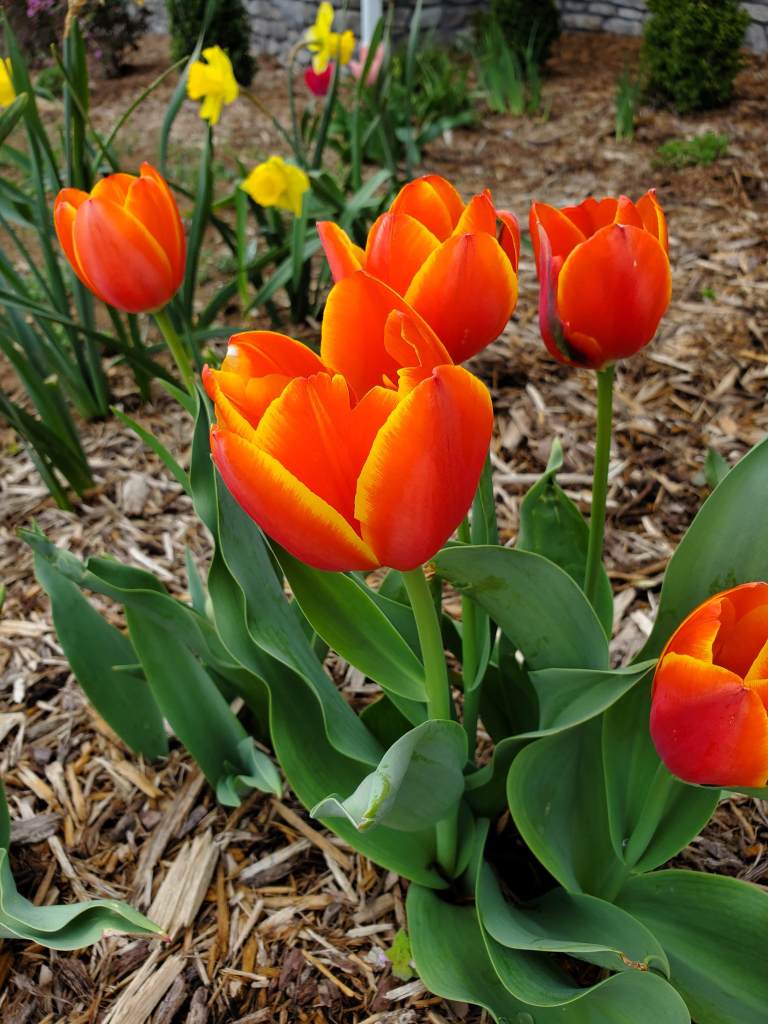
Treasure in Clay Jars

‘But we have this treasure in clay jars…”  -2 Corinthians 4:7

It is only through our bodies that we are able to experience the world.

Our bodies are amazing. And they are also fragile, frail. They are miraculous and intricate. While we expect health and well-being, the reality of living (and aging) is that there are glitches, injuries, malfunctions, and illnesses. 

Turns out, our bodies are temporal. 

As a woman raised in western culture, I have been taught that my body is something to control, contort and change. As a woman raised within the rise of purity culture, I have been taught my body is tempting, sinful and bad. 

Turns out, neither of these messages are biblical. 

Over the next few weeks, we will reflect on the ways that body image, chronic pain and aging are part of what it means to exist as a human being. We will think together about what it means to be fearfully and wonderfully made, even if our treasure is in clay jars. And we will explore practices that nurture and value the good gifts of an embodied existence.


We hope this brings you some comfort and joy! Do you know someone who would be inspired by today’s post?  Please share Some Comfort and Joy with them!  Be sure to subscribe and never miss a post.


Some Comfort and Joy was developed as a devotional resource that follows the rhythms and seasons of the liturgical year from an Anabaptist-Mennonite perspective.

A Blessing (Matthew 6:25-37)

Our lives and our problems will continue to unfold in this beautiful progression we call time.   In the gospel of Matthew these words of Jesus are retold and written as prose.  I’ve taken the liberty to turn them into a more poetic format.  

May the words of Jesus offer you comfort today.

“Therefore I tell you, do not worry about your life, 
what you will eat or what you will drink,
or about your body, what you will wear. 
Is not life more than food, and the body more than clothing?

Look at the birds of the air; 
they neither sow nor reap
nor gather into barns, 
and yet your heavenly Father feeds them.

Are you not of more value than they?

And can any of you by worrying 
add a single hour to your span of life?
And why do you worry about clothing? 
Consider the lilies of the field, 
how they grow; they neither toil nor spin, 
yet I tell you, even Solomon in all his glory 
was not clothed like one of these.

But if God so clothes the grass of the field, 
which is alive today and 
tomorrow is thrown into the oven, 
will he not much more clothe you—you of little faith?

Therefore do not worry, saying, 
‘What will we eat?’ or 
‘What will we drink?’ or 
‘What will we wear?’ 
For it is the Gentiles who strive for all these things; 
and indeed
your heavenly Father knows that 
you need all these things. 

But strive first for the kingdom of God and 
his righteousness, 
and all these things will be given to you as well.

So do not worry about tomorrow, 
for tomorrow will bring worries of its own. 
Today’s trouble is enough for today.”

Amen and Amen

Time for Joy: Making Peace (Jeremiah 29:11)

“For surely I know the plans I have for you, says the Lord, plans for your welfare and not for harm, to give you a future with hope.” Jeremiah 29:11

Take some time today to listen to a song that brings peace to your soul.  Remember, accepting that the list is unending, can be a step towards making peace with yourself and the world around you.


We hope this brings you some comfort and joy! You can spread the joy by liking, commenting and sharing this post with others. Be sure to subscribe and never miss a post.


Some Comfort and Joy was developed as a devotional resource that follows the rhythms and seasons of the liturgical year from an Anabaptist-Mennonite perspective.

Time for Comfort: Making Peace (Jeremiah 29:11)

“For surely I know the plans I have for you, says the Lord, plans for your welfare and not for harm, to give you a future with hope.” -Jeremiah 29:11

I have spent so much time and energy in planning mode: rewriting to do lists, juggling calendar requests, running from one event to the next. And no matter how efficient I am, how quickly I move, nor how early I rise, or how much multitasking I do, there is always more– more opportunities, more chores, more books to be read, more connections to make.

In the book that inspired this series, Oliver Burkeman writes, “Once you stop believing that it might somehow be possible to avoid hard choices about time, it gets easier to make better ones.”

How freeing to realize: there will always be more that could be done. Accepting that reality allows me to invest my energy in discernment and into the commitments I do make. What if living at peace didn’t require resolving all of life’s problems, challenges and tension, but instead embracing that it is all part of the journey? 

May I be at peace, O God, trusting in your good future for me, which unfolds one day at a time. Amen.


We hope this brings you some comfort and joy! You can spread the joy by liking, commenting and sharing this post with others. Be sure to subscribe and never miss a post.

Some Comfort and Joy was developed as a devotional resource that follows the rhythms and seasons of the liturgical year from an Anabaptist-Mennonite perspective.